
Kitchen Essentials
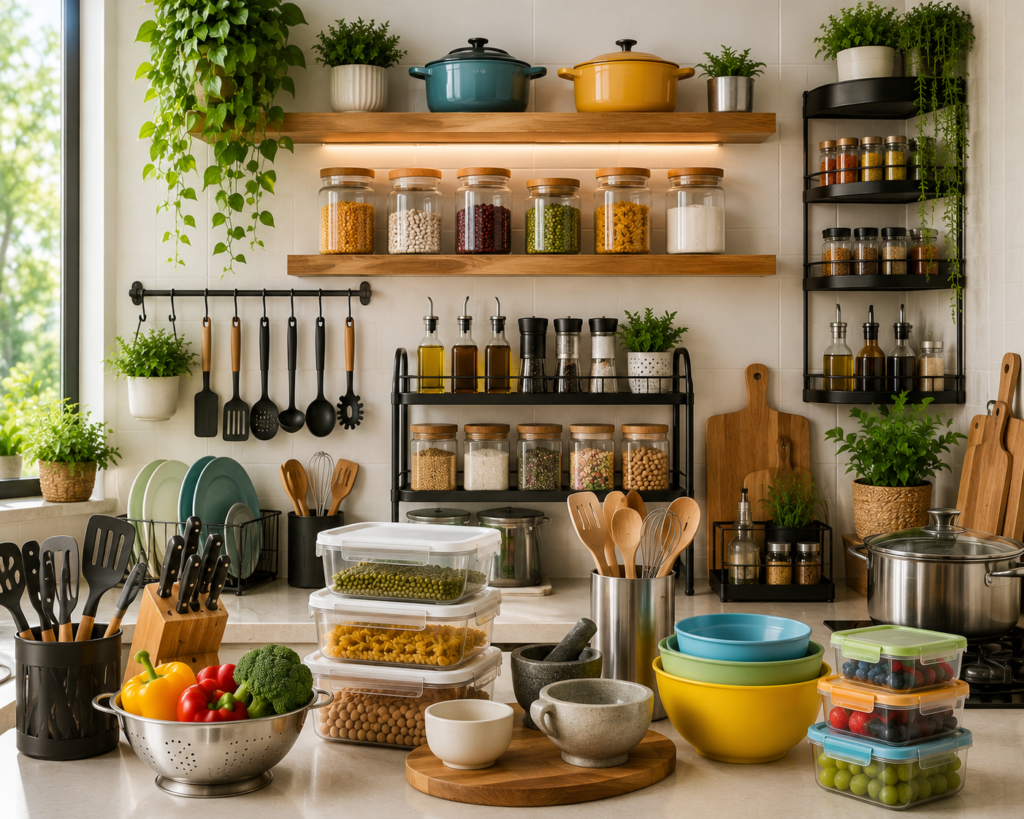
The Modern Indian Kitchen: Mastering Efficiency & Smart Setup
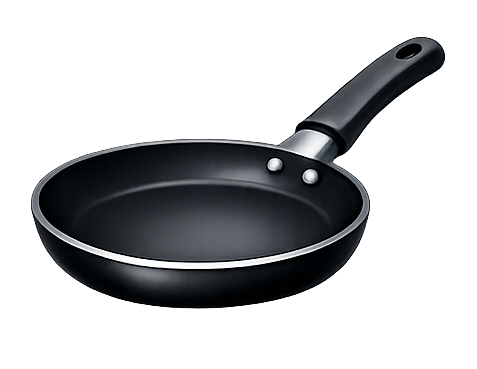
Essential Cookware & Prep Tools
Upgrade your cooking with heavy-duty tri-ply steel kadhais, high-speed manual choppers, and heat-resistant silicone sets.
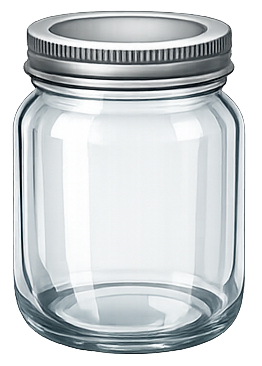
Pantry & Countertop Organizers
Lock out monsoon humidity and reclaim your marble counters with airtight modular jars, rotating spice racks, and adhesive tool holders.
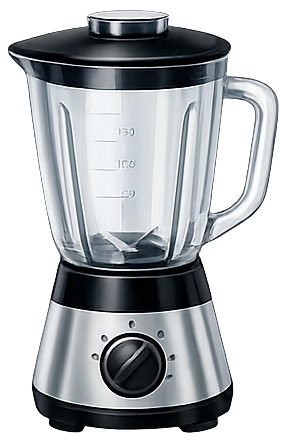
Compact & Space-Saving Appliances
Automate exhausting chores in a tiny footprint with digital oil-free air fryers and multi-functional handheld blending systems.
The 3 Golden Rules of Kitchen Optimization
- Prioritize Material Over Aesthetics: In Indian cooking, tools handle high heat, harsh spices like turmeric, and heavy daily scrubbing. Always favor non-reactive base metals like Tri-Ply Stainless Steel over cheap, thin single-layer aluminum or toxic non-stick Teflon coatings that peel off into your food.
- Choose Multi-Functional Over Single-Use: Avoid gadgets that only do one specific job (like electric egg boilers or dedicated garlic presses). Instead, invest in highly versatile equipment like a 3-in-1 multi-functional hand blender set that can puree soup, whisk batters, and chop onions all using a single compact motor base.
- Demand “No-Drill” Flexibility: If you are renting an apartment or have expensive glass-tiled backsplashes, never buy organizers that require a drilling machine. Modern high-strength magic sticker adhesives can easily support up to 5 kg of weight, allowing you to mount cutlery holders and spice racks instantly without cracking your delicate wall grout.
FAQ Item 1: Why should I avoid cheap plastic containers in my kitchen?
Answer: Standard plastic containers contain harmful chemicals like BPA that can leach into your groceries, especially in warm tropical climates. Furthermore, regular plastic lids do not feature specialized silicone sealing rings. This allows moisture to seep inside, turning crisp biscuits, sugar, and expensive lentils soggy during intense monsoon seasons. Moving to certified BPA-free, modular airtight storage boxes preserves your food’s shelf life and keeps insects out
FAQ Item 2: Is tri-ply stainless steel better than non-stick cookware?
Answer: Yes, absolutely. Traditional non-stick pans feature chemical coatings that deteriorate rapidly under high-heat Indian searing, releasing toxic fumes and microscopic flakes into your curries. Tri-ply cookware sandwiches a highly conductive layer of aluminum between two thick sheets of food-grade stainless steel. This gives you perfectly even heat distribution without any toxic chemical leaching, allowing your pans to handle metal spatulas and heavy scrubbing for decades